Scholarship for PhD Students — Natalia Slutskaya
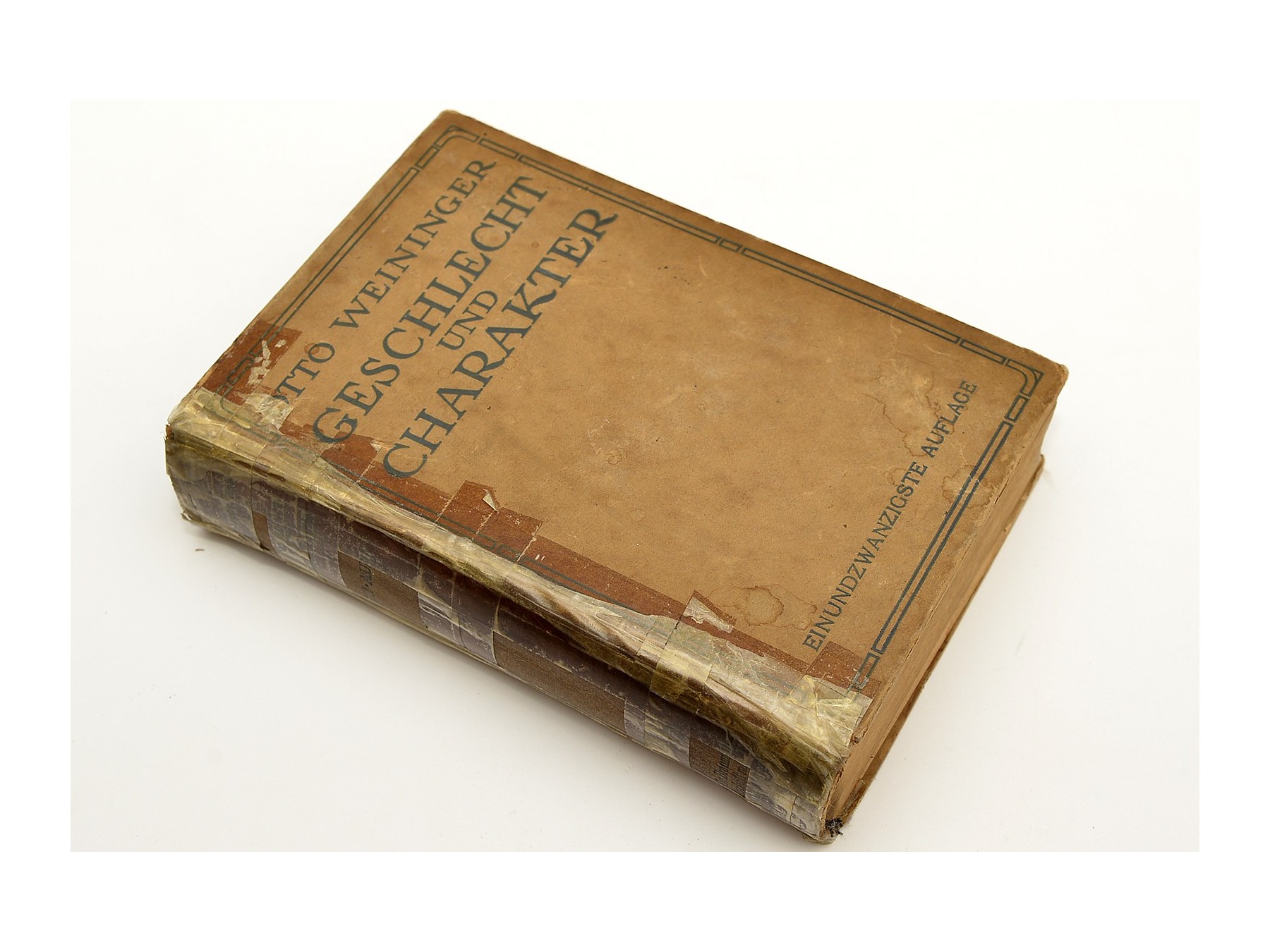
The winner among PhD students is Natalia Slutskaya (Institute of Russian Literature of the Russian Academy of Sciences) with the project "O. Weininger's Sex and Character in Russia in the First Half of the 20th Century: Reception, Literary Reputation, and Contemporary Context."
In 1903, the scandalously misogynistic and antisemitic treatise "Sex and Character" by the young Austrian philosopher O. Weininger (1880–1903) was published, addressing issues of sexual psychology. Weininger's scandalous suicide just a few months after the book's publication drew contemporary attention to his work — the book quickly became a bestseller and one of the symbols of the fin de siècle era.
The complete translation of Sex and Character into Russian appeared only five years later, in 1908, by which time Weininger's work had already been actively discussed in Europe for several years. Paradoxically, the first popularizers and interpreters of Weininger's openly antisemitic book in Russia were predominantly representatives of the assimilated Jewish intelligentsia. The editor of the first edition was A. L. Volynsky (1861–1926), the translator was V. O. Lichtenstadt (1882–1919); theater critic, philosopher, and publicist Z. Ashkinazi (1880–1939) actively discussed Weininger in the press and gave lectures on "Sex and Character" in Moscow and St. Petersburg. Somewhat later, and in a polemical vein, V. E. Jabotinsky (1880–1940) would also engage with Weininger's ideas in his feuilletons.
A promising objective of the research on the reputation of "Sex and Character" in Russia is to reconstruct the reasons why Weininger's ideas resonated with the mindset of the Jewish intelligentsia in the pre-revolutionary years, by addressing questions of their national self-identification.
The research is carried out with the financial support of A. Klyachin.