Scholarship for Master's Students — Fyodor Trofimov
One of the fellowship recipients is Fyodor Trofimov, a master's student at the Faculty of Cultural Studies at the Russian State University for the Humanities, with the research "The Problem of Testimony in Holocaust Photography." The master's thesis has been successfully defended.
The research "The Problem of Testimony in Holocaust Photography" focuses on a series of photographs taken by George Kadish in the Kaunas Ghetto between 1941 and 1944. These photographs uniquely define the figure of the witness. The visual analysis of George Kadish's photographs is based on the research approach of the French philosopher Georges Didi-Huberman, as applied in his work "Images in Spite of All" (Images malgré tout) to analyze four photographs from Auschwitz. In his analysis of the images, he pays particular attention to the depicted space, incidental details, and the very practice of photography.
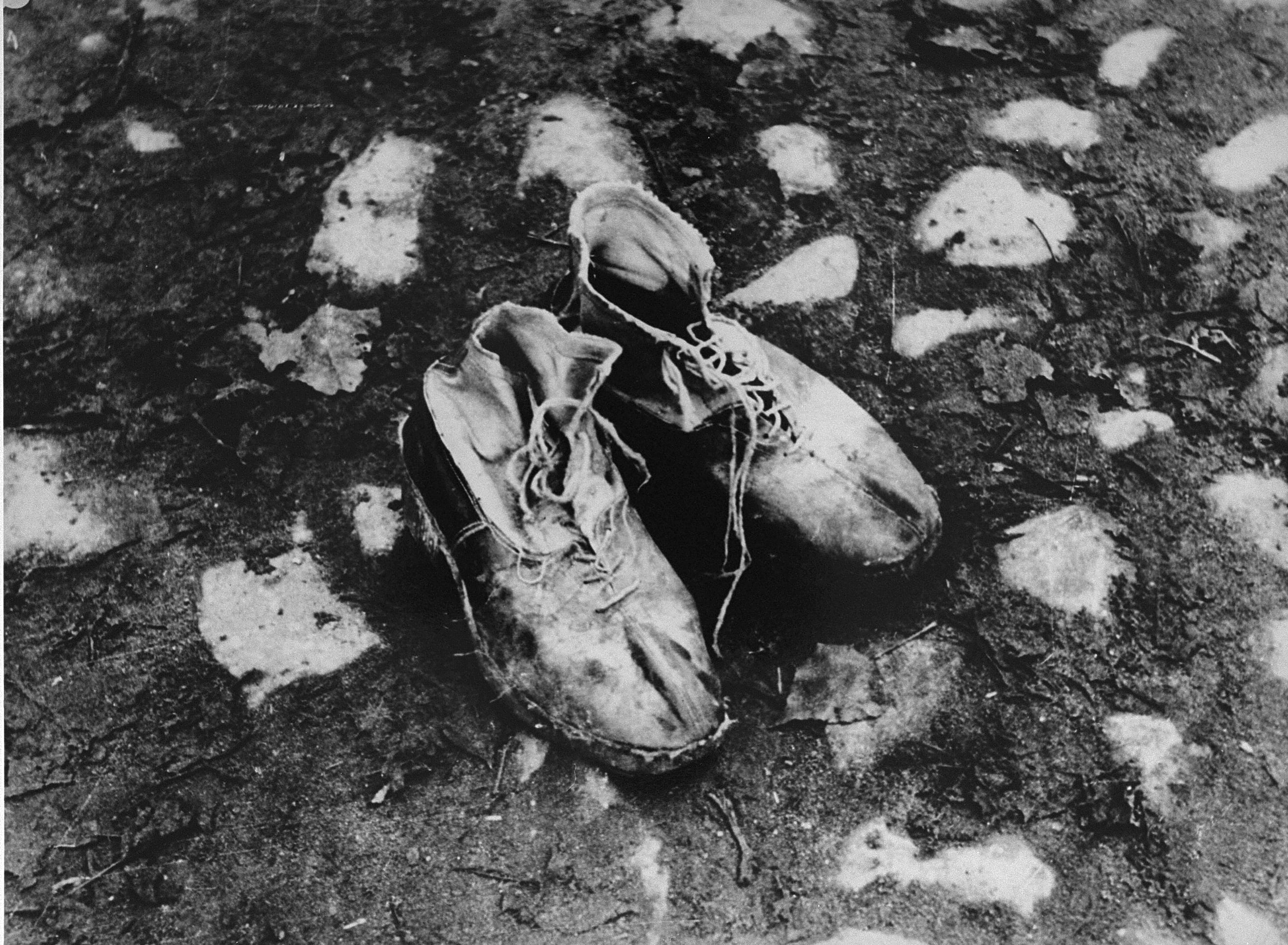
The series of photographs of the Kaunas Ghetto taken by Kadish is quite extensive. For the most part, he sought to capture the daily life of the ghetto prisoners. Within the entire series, it is possible to identify several recurring subjects, such as abandoned objects. In the space of the ghetto, every object has, so to speak, an individual fate. To draw attention to this strange movement of objects is to reveal an additional dimension of the photographs, alongside the documentary one.
Researching the problem of testimony in Holocaust photography is an attempt to approach the very issues of the Holocaust from a different perspective. Key categories here are space and time, context, place, and the multiple practices involving both the photographer and the viewers. All of this creates a multi-layered nature of the photographic image.
The research was carried out with the financial support of A. Klyachin
The work on the project has been completed.